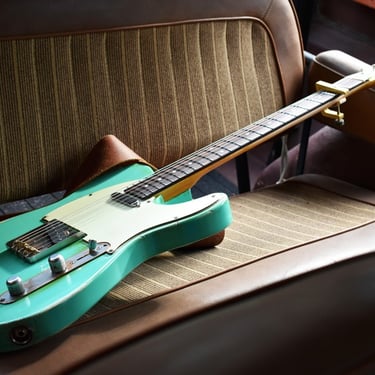
Handcrafted Tumbleweed Guitar
Pricing & Info
There are too many variables to give an exact quote without discussing your project with you,
but it would take some wild parts and tricks to exceed $3,000.
Sound like a lot of money? It is, but. . .
Materials cost at least $500 for the most utilitarian guitar.
I'll spend over 60 hours sawing, routing, sanding, filing, wiring, measuring, painting, polishing, and tuning — all by hand. No CNC machine will ever be involved.
I'd rather build a guitar with herpes than with a CNC machine.
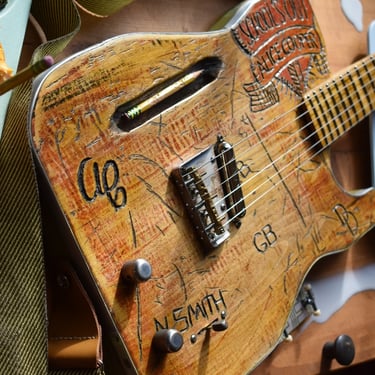
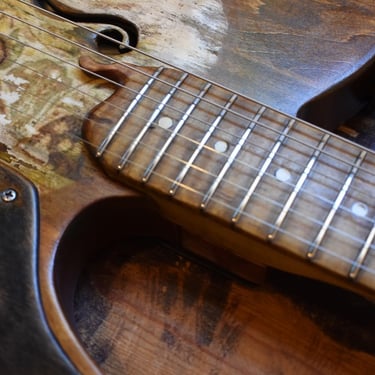
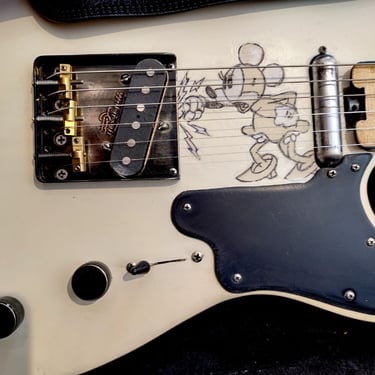
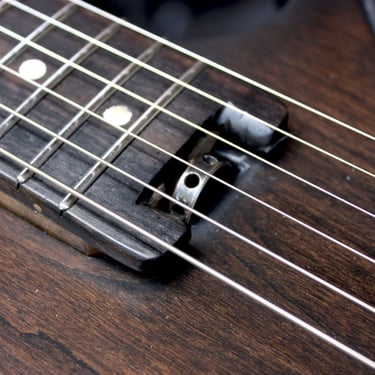
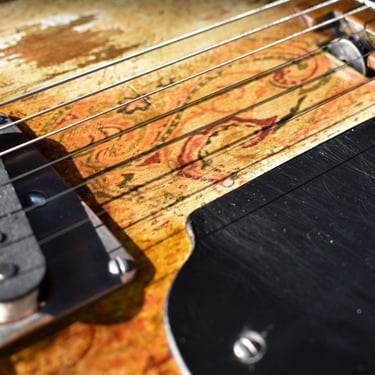
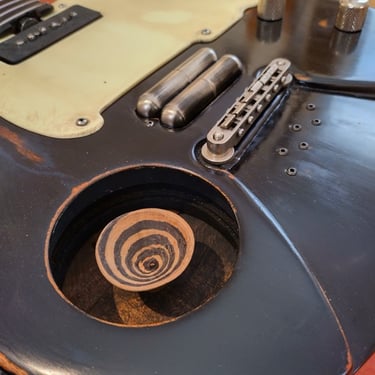
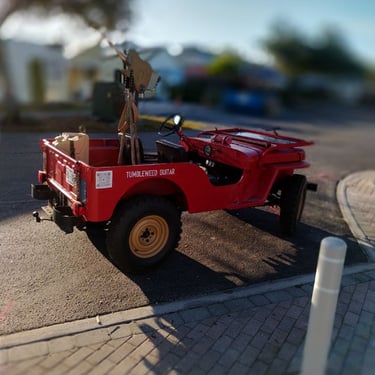

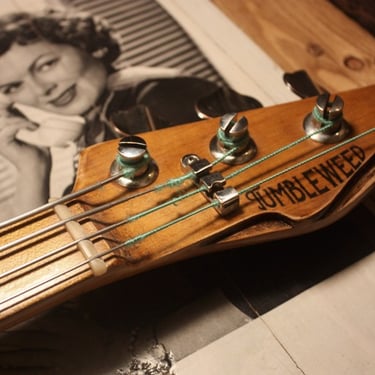

How can Guitar Center sell a guitar for $300?
I. Don't. Know.
I do know, however, that. . .
I use American parts whenever possible: Planet Tone Pickups from Denver, Switchcraft jacks from Chicago, Hipshot tuning machines, and Gavitt cloth wire from Massachusetts. The wood is sourced worldwide, but I purchase mine from a lumberyard in St. Louis.
When American isn't possible, I have a list of tried-and-true foreign parts such as formerly American-made CTS pots and Japanese Gotoh bridges, saddles, and tuning machines.
I use as little plastic as possible. I've made several guitars with ZERO plastic.
I'm happy to incorporate a client's preferred parts, but my stable of go-to's is solid, reliable, and respected.